


The right floor protection decides whether your home gym protects the floor, the neighbours and your equipment over the long term. In 2026 the rule is: anyone moving or dropping heavy weights needs far more than thin puzzle mats. Here you'll learn exactly which thickness, which material and which properties really count.
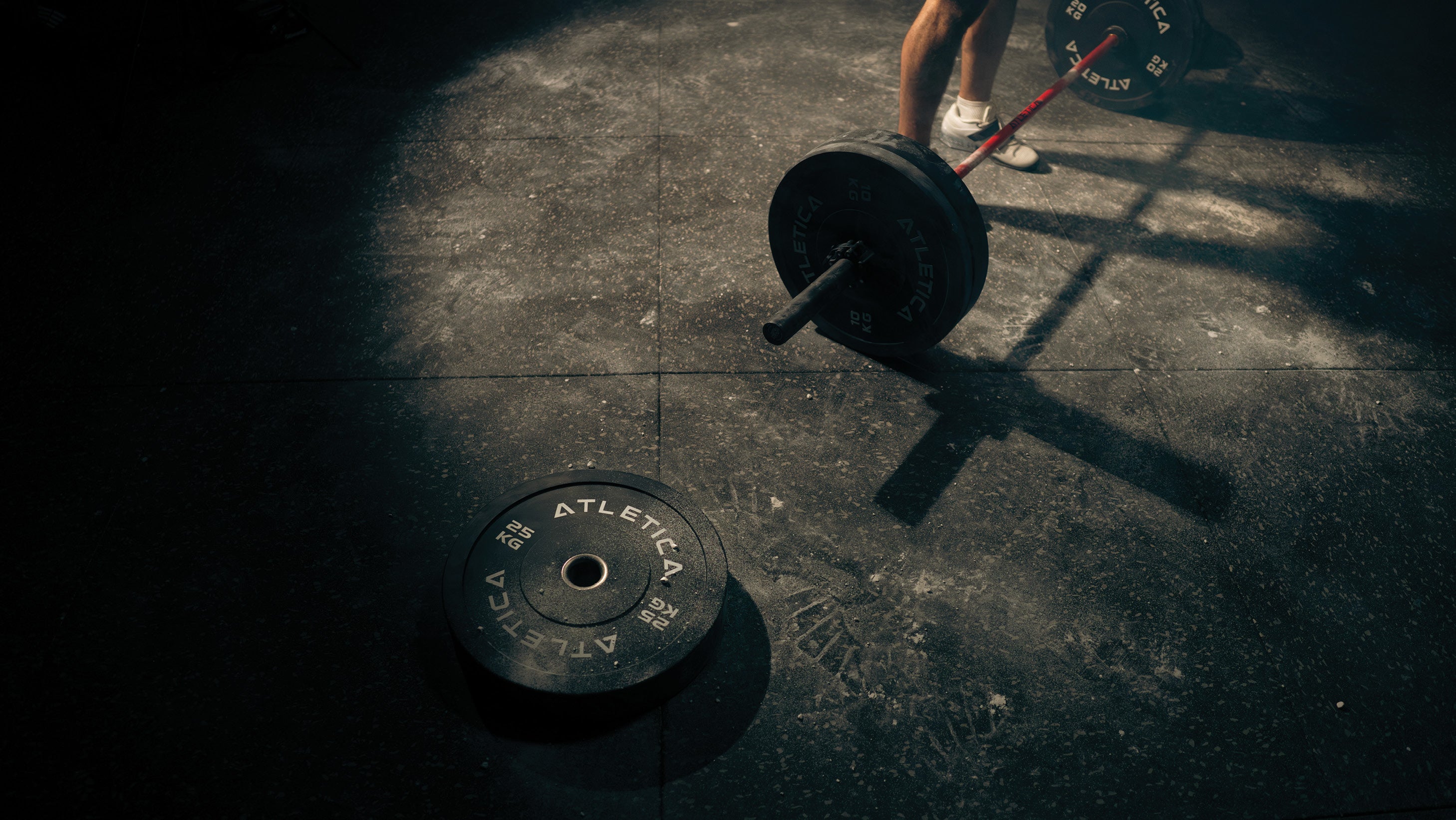
Why is good floor protection so important in a home gym?
Good floor protection handles three key jobs at once:
- Protects the floor underneath (parquet, tiles, screed, concrete) from dents, cracks and scratches
- Reduces noise and vibration (crucial when you have neighbours)
- Protects your weight plates, barbells and machines from premature wear
Without enough protection you risk expensive floor damage and complaints from neighbours – especially with Iron Plates or hard drops.
How much thickness do you really need?
Thickness is the most important factor:
- 6–10 mm: Only for cardio machines, yoga or very light training. Not enough for barbell training.
- 15–20 mm: The standard for most home gyms with free-weight training. A good compromise between cushioning and stability.
- 25–40 mm: Recommended for intensive drop training, heavy deadlifts and maximum sound insulation.
- 40 mm and up, or dedicated drop pads / platforms: For regularly dropping weights from height (Olympic weightlifting).
Rule of thumb for 2026: If you train regularly with a barbell and plates, choose at least 20 mm of high-quality rubber.
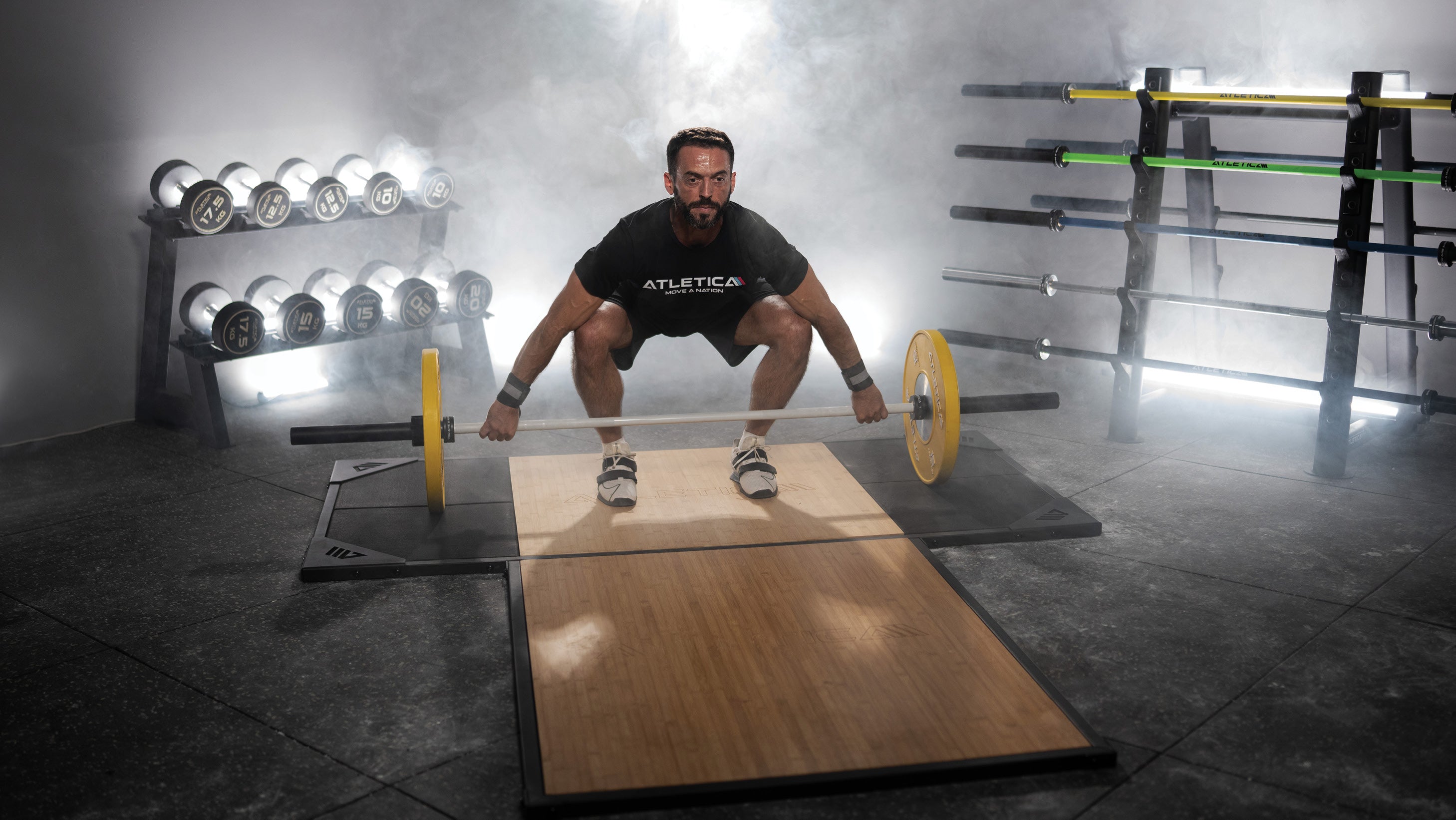
Material and construction – what matters
High-quality rubber gym mats are usually made of EPDM or SBR rubber crumb.
Key quality features:
- High material density (over 200 kg/m³) → the mat stays put and doesn't slip
- Two-layer construction: Fine crumb on top for grip and slip resistance, coarser crumb underneath for shock absorption and sound insulation
- Low odour: Important for indoor spaces
- REACH-compliant and tested for harmful substances
- Slip resistance (ideally R10)
- UV resistance and suitability for underfloor heating
Atletica SolidProtect mats (15 mm and 20 mm) meet these criteria with high density, tested breaking strength and good impact-sound reduction.
Which mat for which use?
|
Type of training / situation |
Recommended thickness |
Recommended material / type |
Why? |
|
Light training, cardio, yoga |
6–10 mm |
Puzzle mats or thin rolls |
Sufficient, affordable, easy to lay |
|
Normal barbell training (home gym) |
15–20 mm |
EPDM rubber (SolidProtect) |
Good all-round protection + sound insulation |
|
Heavy drops / deadlifts |
20–30 mm + drop pads |
High-density rubber mats + drop pads |
Maximum shock absorption |
|
Outdoor training |
30–40 mm |
Weatherproof and frost-resistant |
|
|
Maximum sound insulation (apartment) |
25–40 mm |
Thick rubber mats or a platform |
Significantly reduces impact sound |
Puzzle mats vs. large-format rubber mats
Puzzle mats (FlexProtect etc.):
- Affordable and easy to lay
- Good for light to medium loads
- Can come apart or be too soft under heavy drops
Large-format rubber mats (1×1 m SolidProtect / MaxProtect):
- More stable and durable
- Better sound and shock absorption
- Heavier weight → barely slip
- A more professional training feel
For serious strength training, large-format, high-density rubber mats are clearly superior.
Extra protective measures worth it
- Drop pads: Extra-thick mats exactly where you drop weights regularly
- Deadlift platform: For maximum cushioning and a professional setup
- Underlay beneath machines: All-in-one trainers and racks benefit from mats too (protection + noise reduction)
- Combining with Bumper Plates: Bumpers + good mats = the best protection for your floor and your neighbours
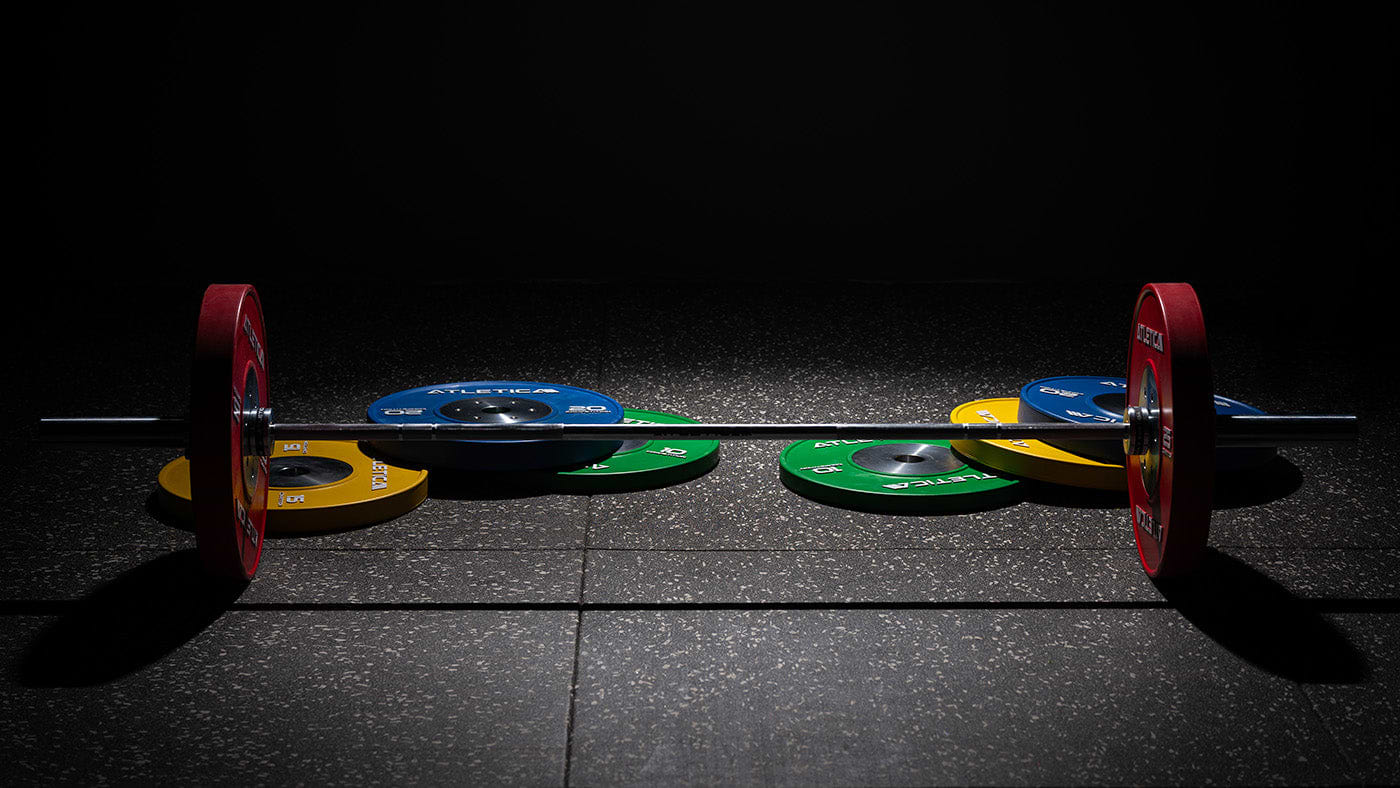
Common mistakes with floor protection
- Buying mats that are too thin for barbell training
- Only laying mats under the rack and not across the whole training area
- Using cheap, strong-smelling SBR mats without any testing
- Using puzzle mats for heavy drops
- Making the area around the barbell too small
Frequently asked questions about fitness floor protection 2026
Are 10 mm puzzle mats enough for barbell training?
No. For regular training with plates, at least 15–20 mm of high-density rubber mats is recommended.
How much sound insulation do good mats provide?
High-quality 20 mm mats often achieve 30+ dB of impact-sound reduction. Combined with Bumper Plates, training gets significantly quieter.
Can I lay the mats on underfloor heating?
Yes, most high-quality EPDM mats (e.g. SolidProtect) are suitable for it.
Do I have to glue the mats down?
Usually not, if they're heavy enough and fit well. Interlocking systems or heavy weight keep them in place.
Which is better: one large area or individual mats under the machines?
A continuous surface across the whole training area protects better and looks more professional.
Key Takeaways
- For barbell training you need at least 15–20 mm of high-density rubber.
- EPDM mats with two-layer construction and high density are the standard in 2026.
- Puzzle mats are only enough for light training.
- Bumper Plates + good mats = the best protection for your floor and neighbours.
- Outdoor training requires special, thicker and weatherproof mats.
- Better to invest properly once than to have to renovate the floor later.
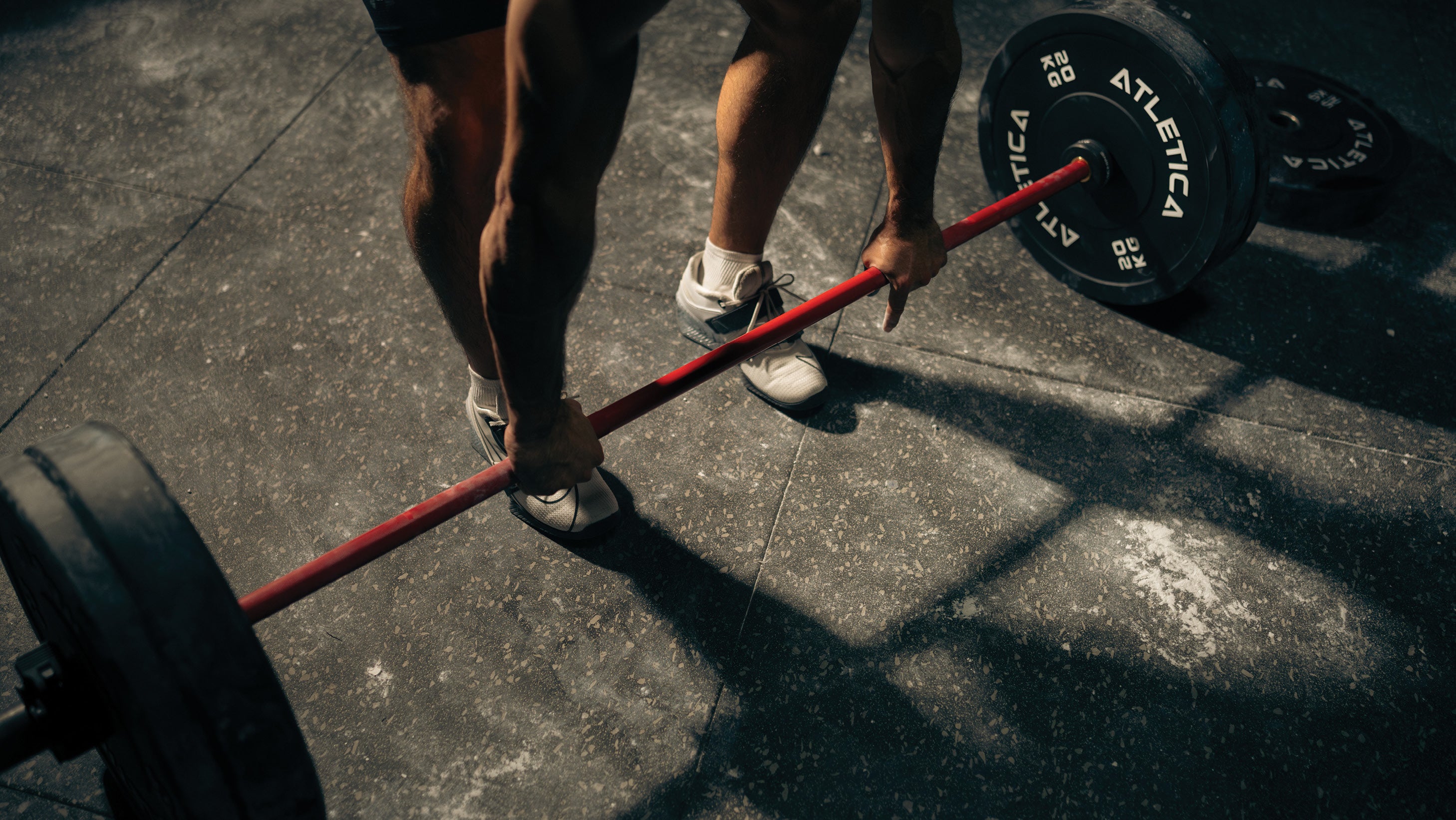
Your next step
Want to protect your floor and your neighbours effectively?
Take a look at the current Atletica SolidProtect, MaxProtect and OutdoorProtect mats. With tested quality, high density and good sound insulation, you're on the safe side for the long term.
Book a free consultation or pick the right mats for your setup straight away.


